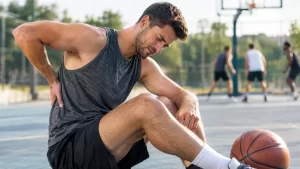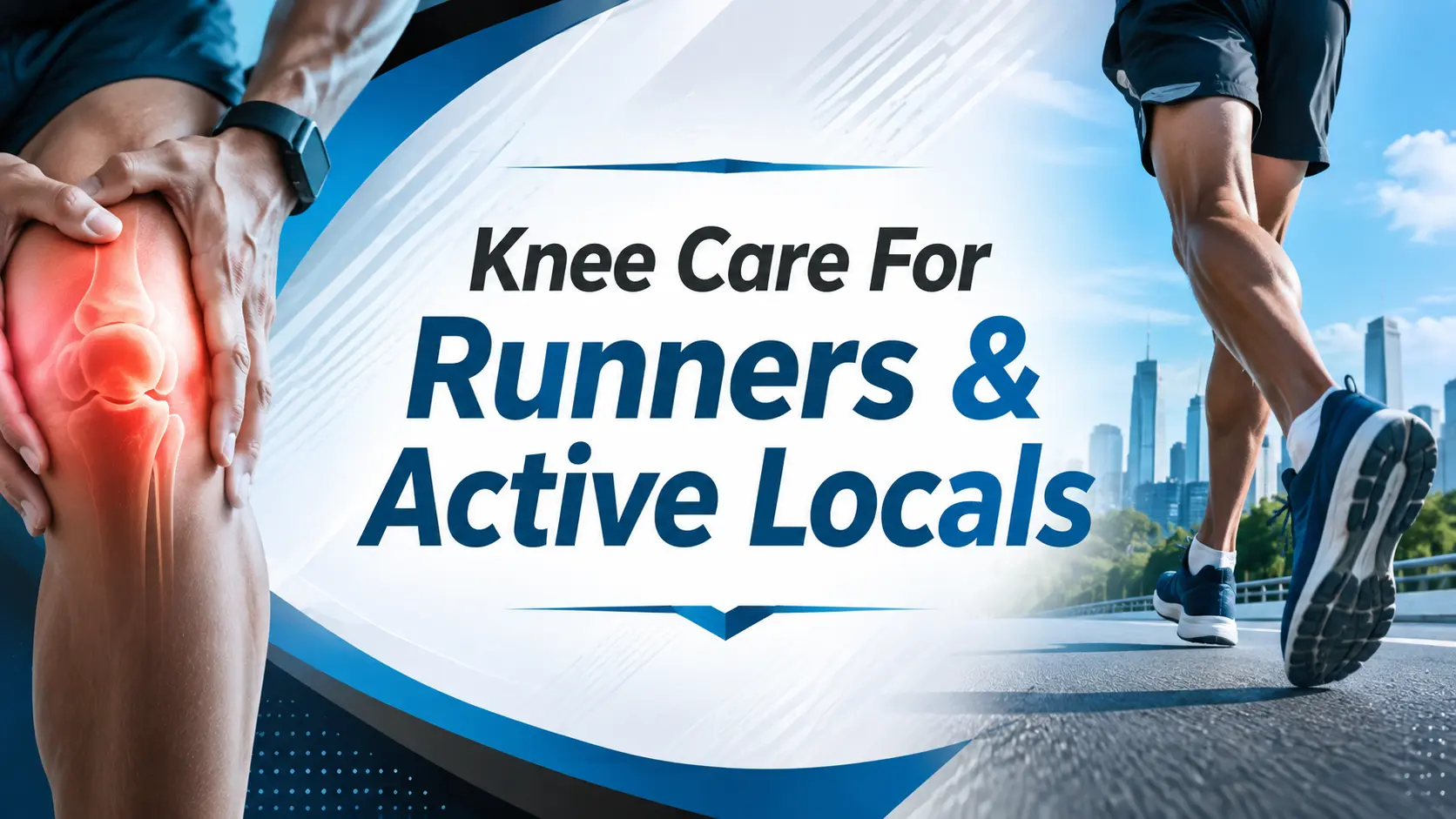
Chicago is a world-class running city. From the stunning views along the 18-mile Lakefront Trail to training for the iconic Chicago Marathon, active locals push their bodies to the limit every day. However, pounded pavement, harsh winter shifts, and sudden increases in training volume frequently lead to persistent joint discomfort.
If you are dealing with sharp aching around the kneecap, tightness on the outside of your leg, or post-run swelling, you are not alone. Knee joint issues are among the most common roadblocks preventing Chicago runners and fitness enthusiasts from maintaining their routines.
Understanding Common Knee Issues in Active Chicago Locals
1. Runner’s Knee (Patellofemoral Pain Syndrome)
This condition causes a dull, aching pain around or behind the kneecap. It often worsens when running on hard surfaces like concrete, running downhill, or sitting with bent knees for long periods. It usually stems from muscle imbalances, poor tracking of the kneecap, or overuse.
2. IT Band Syndrome & Lateral Knee Tightness
The Iliotibial (IT) band runs along the outside of your thigh from the hip to the shinbone. Repeated bending and straightening during runs can cause the band to become tight or inflamed, leading to sharp lateral knee pain—especially common when training on hard lakefront pavements.
3. Impact of Chicago’s Cold Weather and Barometric Shifts
Chicago’s drastic weather swings affect active joints. Cold temperatures and drops in barometric pressure cause fluids in the joint capsules to thicken, leading to stiffness, reduced flexibility, and increased sensitivity in pre-existing injuries.
Daily Prevention and Self-Care for Runners
1. Strategic Cross-Training
To reduce repetitive impact, swap out 1–2 run sessions a week for low-impact cardio such as swimming or cycling. This maintains cardiovascular endurance while giving your knee cartilage and tendons time to repair.
2. Targeted Strengthening Exercises
Strong knees depend on strong supporting muscles. Focus on building strength in your quadriceps, hamstrings, gluteus medius, and hips to ensure proper lower-body alignment during every foot strike.
3. Footwear and Surface Choices
Running exclusively on concrete dramatically increases joint shock loading. Rotate your running shoes every 300 to 500 miles and try incorporating softer surfaces—like asphalt paths or indoor tracks during severe winter cold—into your weekly route.
When to Seek Professional Intervention
While rest and stretching help mild tightness, continuing to run through persistent or sharp pain can cause micro-tears and chronic joint damage. You should consult a specialist if you experience:
- Swelling or fluid build-up around the joint
- A feeling of instability or the knee “giving out”
- Persistent pain that does not improve after 7–10 days of rest
- Catching, clicking, or locking sensations during movement
Modern knee pain treatment options include non-surgical, targeted physical therapies, blood flow restriction training, and non-invasive interventions designed to restore mobility without long recovery periods.
If you are currently struggling with persistent discomfort that is impacting your running routine, schedule a consultation with the specialists at Chicago Sports and Spine to receive a customized treatment plan tailored to your active lifestyle.
Conclusion
Knee pain doesn’t have to put an end to your running goals or active lifestyle in Chicago. By understanding the root causes of joint discomfort, adjusting your training load, and incorporating targeted strength work, you can protect your knees for the long haul. When self-care isn’t enough, expert diagnostic guidance ensures you recover safely and quickly.
Frequently Asked Questions (FAQs)
Q1: Should I apply ice or heat for knee pain after running?
Apply ice for acute pain or swelling right after a run to reduce inflammation. Use moist heat before workouts or during cold Chicago winters to relax tight muscles and ease joint stiffness.
Q2: Is it safe to run through mild knee discomfort?
Dull, mild tightness that fades during a warm-up may be manageable with proper care. However, sharp pain, limping, or pain that worsens as you run indicates potential injury, and running should be stopped to prevent long-term damage.
Q3: How often should runners replace their running shoes to prevent knee injuries?
Most running shoes lose their cushioning and structural support between 300 to 500 miles. Replacing worn-out shoes ensures optimal shock absorption when running on urban concrete surfaces.