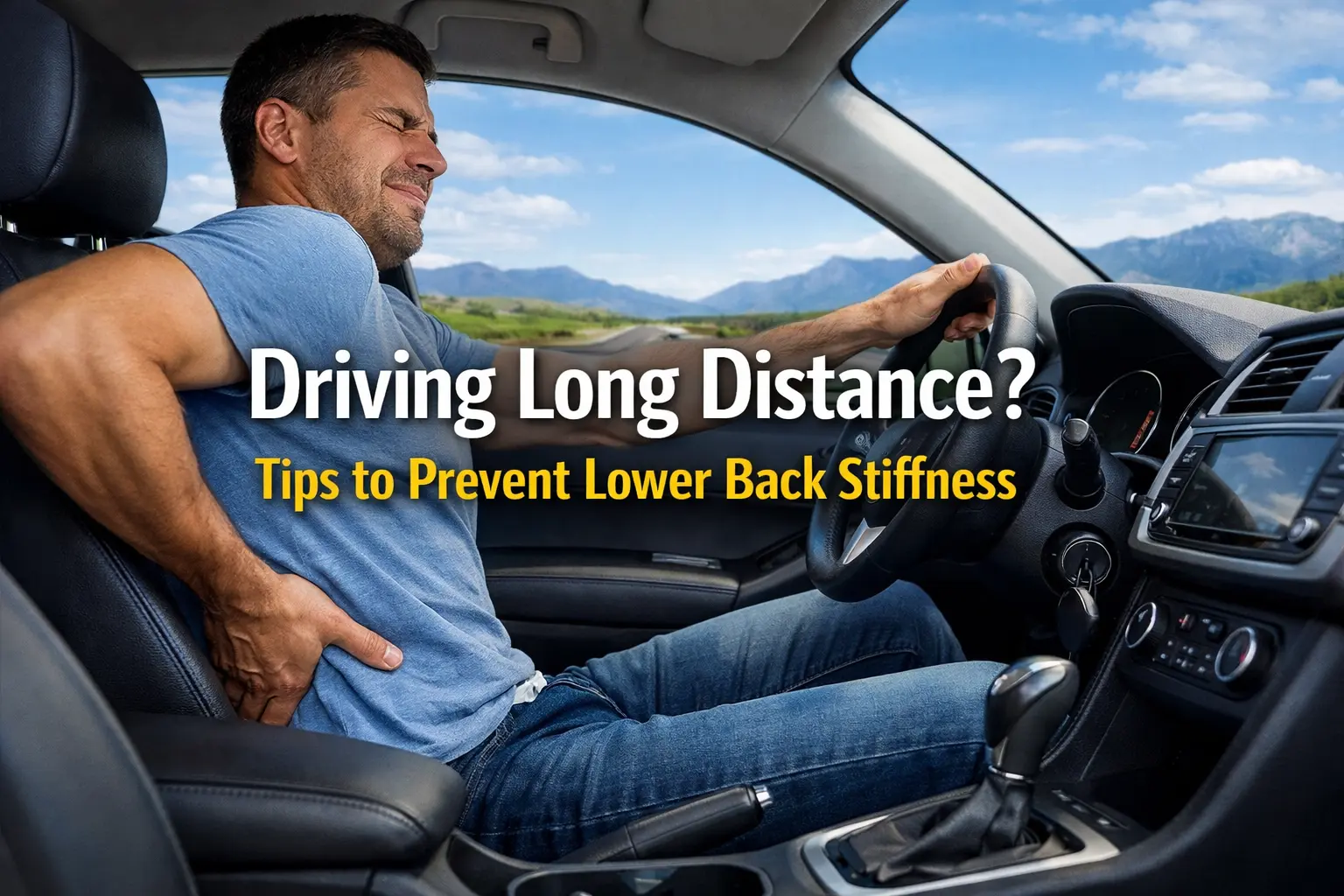
Driving Long Distance? Prevent Lower Back Stiffness
Long drives can leave your lower back feeling tight, achy, and hard to move by the time you reach your destination. The good news is that most road-trip stiffness is preventable. If you’re searching for answers related to Back pain chicago, one of the biggest reasons symptoms flare up is simple: too much sitting, not enough movement, and poor support for the lumbar spine. A few smart adjustments before and during your drive can reduce strain, improve circulation, and help you arrive feeling far less stiff.
Why Long Drives Make Your Lower Back Feel So Tight
Driving locks your body into one position for too long. Even if you feel comfortable at first, your lower back muscles, hips, and hamstrings gradually tighten. At the same time, the spine absorbs vibration from the road, and poor seat positioning can place extra pressure on the lumbar discs and surrounding muscles.
For many people, Back pain chicago concerns start with everyday habits like extended sitting, poor posture, lack of movement, and weak core support. A long drive can magnify all of those issues at once. That’s why prevention matters more than waiting until the pain starts.
The Most Effective Ways to Prevent Lower Back Stiffness on Long Drives
Set Your Seat Up Like a Spine-Saving Pro
Before you start driving, spend a minute adjusting the seat instead of just hopping in and going.
- Recline the seat slightly to about 100 to 110 degrees so your lower back is not forced into a rigid upright position.
- Sit all the way back in the seat so your back stays supported.
- Keep your knees level with or slightly lower than your hips to reduce lumbar strain.
- Move the seat close enough so you can reach the pedals without stretching or leaning forward.
- Position the headrest properly so your head stays centered instead of drifting forward.
This one step alone can make a huge difference because the spine handles pressure better when the pelvis, hips, and lower back stay aligned.
Use Lumbar Support Instead of Hoping for the Best
If your car seat does not support the natural curve of your lower back, add support yourself.
- Use a small lumbar cushion
- Try a rolled towel
- Place support at the small of your back
- Avoid slouching as the drive goes on
A simple lumbar roll helps preserve the natural curve of the spine and reduces the collapsed posture that often leads to stiffness. If you already have recurring discomfort, this is one of the easiest preventive upgrades you can make.
Keep the Steering Wheel Close and Your Shoulders Relaxed
A lot of drivers unknowingly create back tension by reaching too far forward.
- Keep your hands comfortably positioned
- Let your elbows stay slightly bent
- Relax your shoulders away from your ears
- Avoid rounding your upper back to reach the wheel
When the wheel is too far away, the neck, shoulders, mid-back, and lower back all start compensating. Better arm position helps the entire spine stay more neutral.
Empty Your Back Pockets Before You Drive
This sounds minor, but it matters.
- Remove your wallet
- Take out your phone
- Avoid sitting on keys or bulky items
Even a small object under one side of the pelvis can tilt your posture and increase uneven pressure through the lower back and hips. Over a long drive, that imbalance adds up fast.
Take Breaks Every 60 to 90 Minutes
If you only remember one tip from this article, make it this one: movement is the antidote to stiffness.
- Stop every 60 to 90 minutes if possible
- Walk for a few minutes
- Stand tall and reset your posture
- Let your hips and lower back move again
If you already struggle with Back pain chicago symptoms, you may need more frequent breaks. Even a short stop is better than pushing through hours of uninterrupted sitting.
The Best Quick Stretches to Do at a Rest Stop
You do not need a full workout routine in a gas station parking lot. A few simple movements can loosen the areas that tighten most during long drives.
Try These Smart Road-Trip Mobility Moves
- Hamstring stretch: Place your heel on a stable surface, keep your back flat, and hinge forward gently.
- Calf stretch: Step one foot back and press the heel toward the ground.
- Chest opener: Open the front of the shoulders and chest to counter the slumped driving posture.
- Standing side stretch: Reach overhead and stretch through the side body to reduce trunk tightness.
- Gentle back and hip movement: Walk, shift side to side, and rotate carefully within a pain-free range.
These quick mobility breaks improve blood flow, reduce muscle guarding, and help your body tolerate the next leg of the trip much better.
Don’t Ignore the Power of Micro-Movements
Even when you cannot stop right away, you can still reduce stiffness by avoiding total stillness.
- Gently reset your posture every 15 to 20 minutes
- Relax and re-engage your core
- Pump your ankles
- Shift slightly in the seat when safe
- Notice when you start slouching and correct it
These tiny changes help reduce static loading on the lower back. They are especially helpful for people who spend long hours commuting in addition to taking road trips.
Add Heat if Your Muscles Tend to Tighten Up
For some people, gentle heat makes a noticeable difference during long drives.
- Use a heated seat if available
- Consider a portable heat wrap if appropriate
- Use heat for comfort, not as a substitute for movement
Heat may help muscles relax, but it works best when combined with good posture and regular breaks. If heat makes symptoms worse, skip it.
Prepare Your Body Before the Trip Starts
One of the biggest mistakes people make is preparing the car but not preparing their body.
Before a long drive, try to spend 5 to 10 minutes doing the following:
- Walk briefly
- Open up the hips
- Stretch the hamstrings
- Do a few gentle core-engagement movements
- Avoid starting the drive already stiff
This is also where the conversation shifts from prevention to long-term spine health. If road trips, commuting, or sitting at work regularly trigger symptoms, it may be time to talk with a back specialist doctor about the real cause instead of only treating the flare-ups.
When Lower Back Stiffness May Mean More Than Normal Fatigue
Not every case of stiffness is just “tight muscles.”
Pay attention if you also notice:
- Pain traveling into the leg
- Numbness or tingling
- Muscle weakness
- Pain that keeps returning after every drive
- Pain that interferes with walking, sleeping, or daily activity
If that sounds familiar, your issue may involve more than posture alone. Disc irritation, sciatica, spinal stenosis, muscle strain, or another underlying problem may be contributing. In that case, searching for back pain treatment near me is a smart next step, especially if your symptoms are becoming more frequent or intense.
For many patients, Back pain chicago flare-ups are not random. They are often linked to prolonged sitting, poor ergonomics, and untreated lumbar problems that worsen over time.
What Is the Best Next Step if Driving Always Triggers Pain?
There is no one-size-fits-all answer because the best treatment for back pain depends on what is actually causing it.
For some people, the right plan may include:
- Physical therapy to improve strength and flexibility
- Posture and ergonomic correction
- Chiropractic care
- Targeted pain management
- A personalized rehab plan focused on long-term function
The most helpful approach is one that does more than temporarily mask symptoms. It should identify the source of the problem, reduce irritation, and help you move better over time.
Why Prevention Beats Recovery Every Time
Once stiffness turns into a true pain flare, it becomes much harder to manage mid-trip. That’s why the smartest strategy is prevention.
Remember these essentials before your next long drive:
- Adjust the seat first
- Support the lower back
- Keep your body aligned
- Take movement breaks often
- Stretch during stops
- Listen to early warning signs
If you’re dealing with recurring Back pain chicago symptoms after commuting, road trips, or desk work, prevention should be part of a bigger long-term plan for spine health.
FAQs
1. Why does my lower back get stiff after driving long distance?
Long-distance driving keeps your spine in one position for too long, which can tighten muscles, reduce circulation, and increase pressure on the lumbar area. Poor seat setup, slouching, and road vibration can make the stiffness even worse.
2. When should I see a back specialist doctor for driving-related back pain?
You should get checked if stiffness turns into repeated pain, travels into your legs, causes numbness, or keeps coming back after every drive. Those signs may point to a deeper spinal issue rather than simple muscle tightness.
3. How often should I stop on a road trip to protect my back?
A good rule is every 60 to 90 minutes. If you already have symptoms or a history of back problems, stopping sooner may help prevent a flare-up.
4. What is the best treatment for back pain if sitting and driving always trigger it?
The best treatment for back pain depends on the cause. Some people need guided exercise and physical therapy, while others benefit from a broader care plan. If you keep searching for back pain treatment near me, look for care that focuses on diagnosis, function, mobility, and long-term relief rather than quick temporary fixes.
Conclusion
Long drives do not have to end with a sore, locked-up lower back. With better seat positioning, lumbar support, stretch breaks, and a little pre-trip preparation, you can significantly reduce stiffness and travel more comfortably. And if you’re tired of dealing with the same cycle over and over, Back pain chicago concerns deserve more than guesswork. The right care plan can help you understand why driving triggers your symptoms and what to do about it before the next trip.