Lower back pain affects millions of Americans each year, making it one of the leading reasons people seek medical attention. Whether you’re experiencing a dull ache or sharp, debilitating pain, understanding the root cause is the first step toward finding relief. Let’s explore the ten most common culprits behind lower back pain and, more importantly, how you can address them effectively.
The Top 10 Causes of Lower Back Pain
1. Muscle Strains and Sprains

The most frequent cause of lower back pain stems from muscle or tendon injuries. These can occur suddenly from lifting heavy objects improperly or develop gradually from repetitive movements. Even everyday tasks like picking up laundry or holding a child can lead to strains when done with poor body mechanics.
How to Fix It: Rest for the first 24-48 hours, apply ice to reduce inflammation, then gradually return to gentle movement. Avoid prolonged bed rest, as staying active promotes faster healing. Strengthening exercises targeting your core muscles can prevent future injuries.
2. Herniated or Bulging Discs
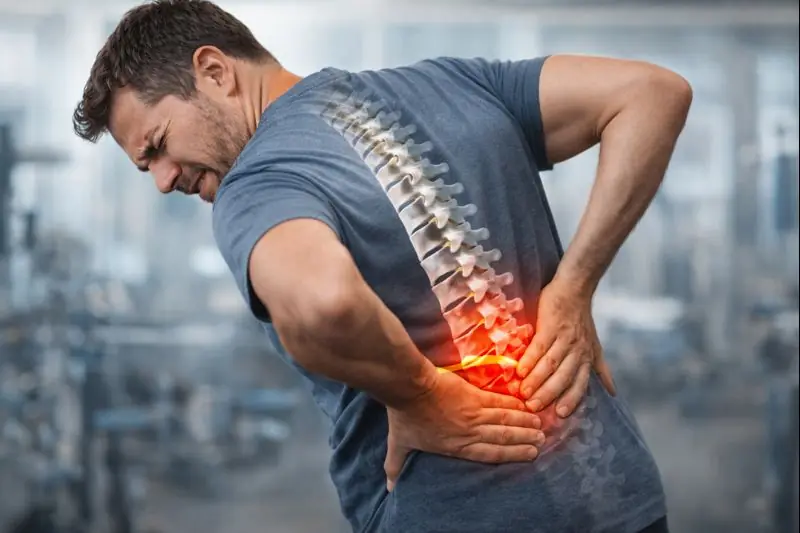
When the cushioning discs between your vertebrae slip out of place or bulge, they can press on nearby nerves, causing pain that may radiate down your legs. Interestingly, about 90% of disc herniations heal naturally within two to three months without surgery.
How to Fix It: Physical therapy focusing on gentle stretches and core strengthening can provide significant relief. Anti-inflammatory medications and targeted injections may help manage pain while your body heals. Most cases improve with conservative treatment.
3. Arthritis of the Spine
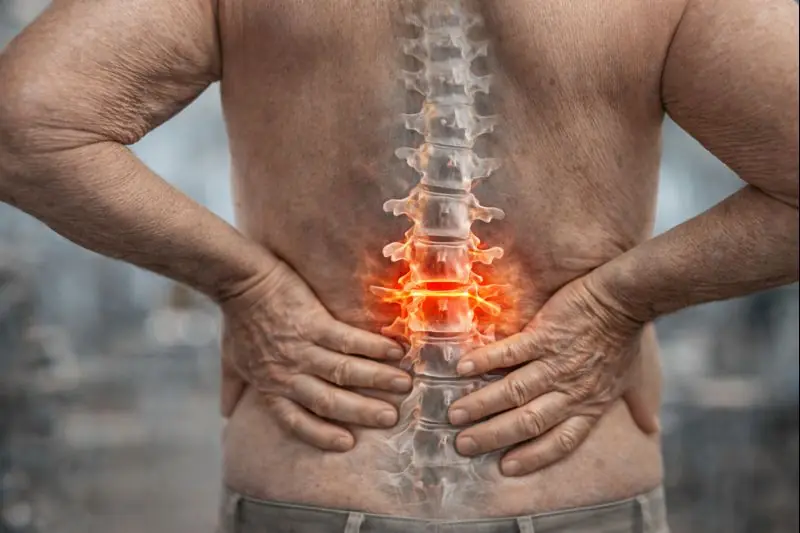
Spinal arthritis involves the gradual degeneration of spinal joints, becoming more common as we age. This wear and tear can cause inflammation in surrounding tissues, leading to chronic discomfort that may worsen with weather changes.
How to Fix It: Regular low-impact exercises like swimming or walking help maintain joint flexibility. Physical therapy can strengthen supporting muscles, while heat therapy and anti-inflammatory medications provide symptom relief. Maintaining a healthy weight reduces stress on your spine.
4. Poor Posture and Prolonged Sitting
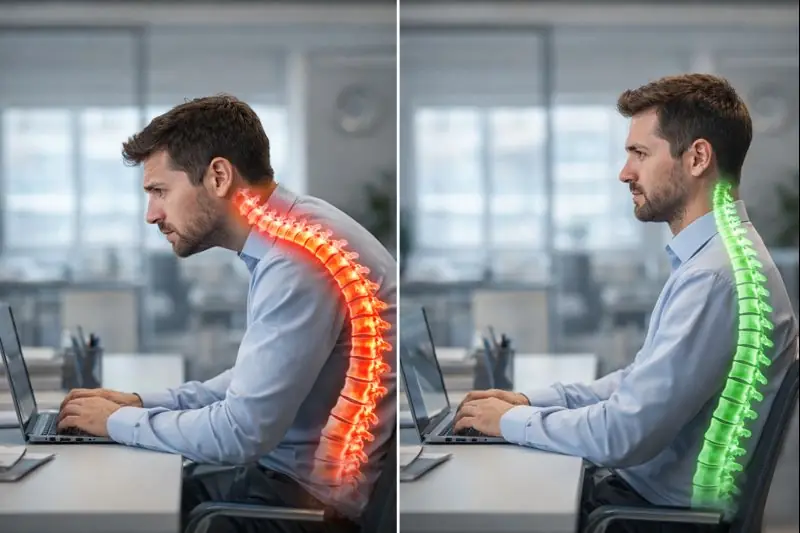
Modern desk jobs have created an epidemic of posture-related back pain. Slouching in an uncomfortable chair for hours weakens core muscles and places excessive strain on your lower back, creating an environment ripe for pain.
How to Fix It: Set up an ergonomic workstation with proper lumbar support. Take regular breaks every 30-60 minutes to stand, stretch, and walk around. Strengthen your core muscles through exercises like planks and bridges to better support your spine throughout the day.
5. Spinal Stenosis
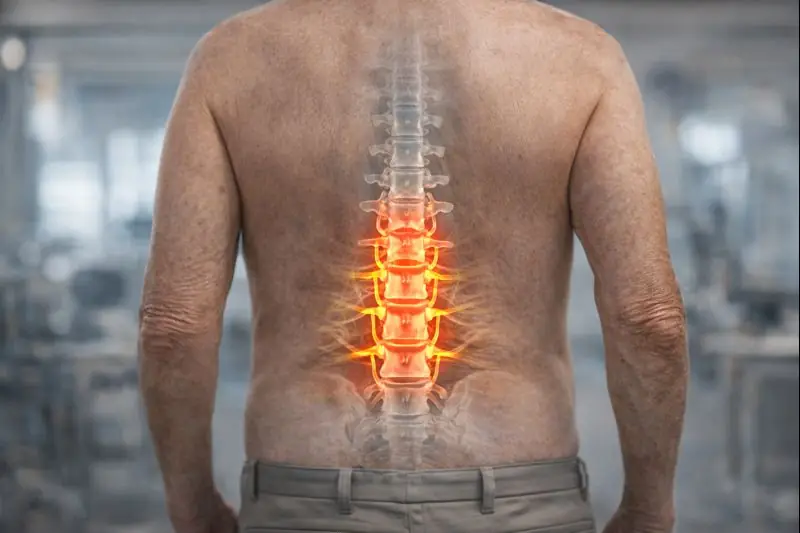
This condition occurs when the spinal canal narrows, compressing nerve roots between worn-down discs and arthritic areas. It commonly affects older adults and can cause pain that radiates into the buttocks and legs, especially when standing or walking.
How to Fix It: Physical therapy emphasizing flexion-based exercises (bending forward) often provides relief. Walking with a slight forward lean may reduce symptoms. In severe cases, epidural injections or surgical intervention may be necessary.
6. Sciatica
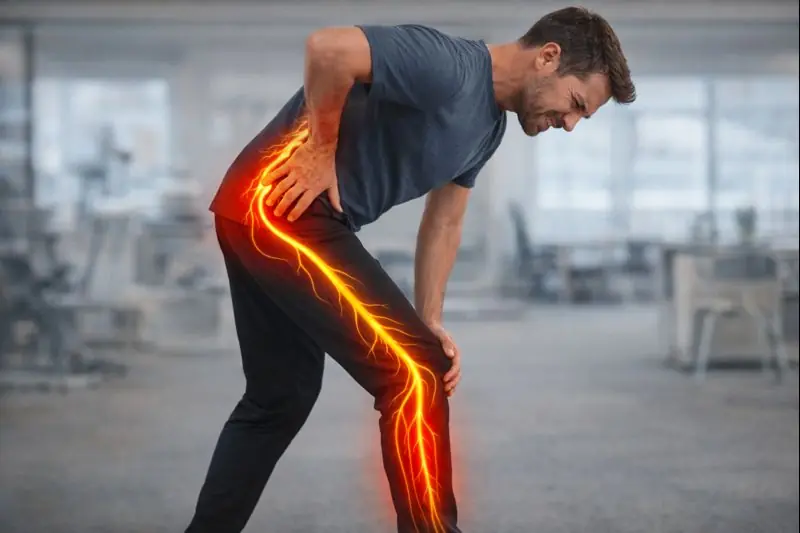
When the sciatic nerve becomes compressed or irritated, it produces sharp, shooting pain that travels from your lower back down through your buttocks and leg. This pain may be accompanied by numbness, tingling, or weakness in the affected leg.
How to Fix It: Gentle stretching exercises, particularly hamstring and piriformis stretches, can relieve nerve pressure. Apply ice initially, then heat after a few days. Most sciatic pain resolves within a few weeks with conservative treatment and proper body mechanics.
7. Weak Core Muscles

Your core muscles act as a natural corset, supporting your spine and distributing stress evenly. When these muscles are weak or inactive, your lower back bears excessive strain, making injury more likely during even simple activities.
How to Fix It: Incorporate core-strengthening exercises into your routine at least three times weekly. Focus on exercises like dead bugs, bird dogs, pelvic tilts, and bridges. Yoga and Pilates are excellent for building core stability while improving flexibility.
8. Obesity and Excess Weight
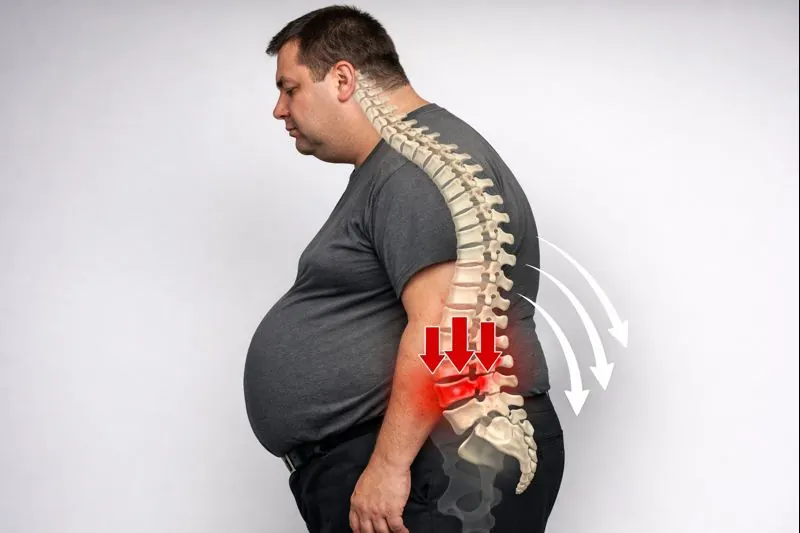
Carrying extra weight, particularly around your midsection, shifts your center of gravity forward and places tremendous stress on your lumbar spine. This constant strain can lead to chronic pain and accelerate degenerative changes.
How to Fix It: Adopt a balanced, calorie-controlled diet combined with regular physical activity. Even losing 10% of your body weight can significantly reduce back pain. Focus on low-impact exercises like swimming or cycling that don’t exacerbate existing pain.
9. Stress and Psychological Factors
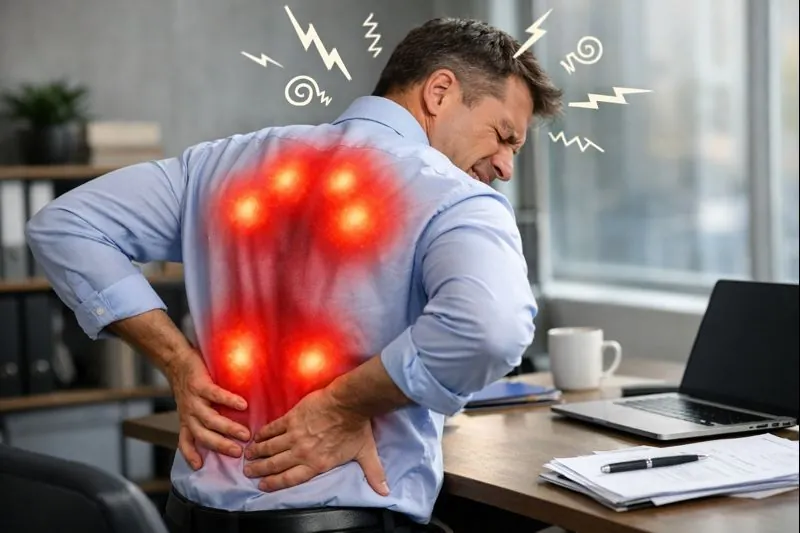
Chronic stress, anxiety, and poor sleep can amplify pain perception and cause muscle tension in your back. Mental health conditions often manifest physically, with the lower back being a common site for stress-related pain.
How to Fix It: Practice stress-reduction techniques like meditation, deep breathing exercises, or progressive muscle relaxation. Prioritize quality sleep with a supportive mattress. Consider counseling or cognitive behavioral therapy if stress significantly impacts your pain levels.
10. Sudden Traumatic Injury
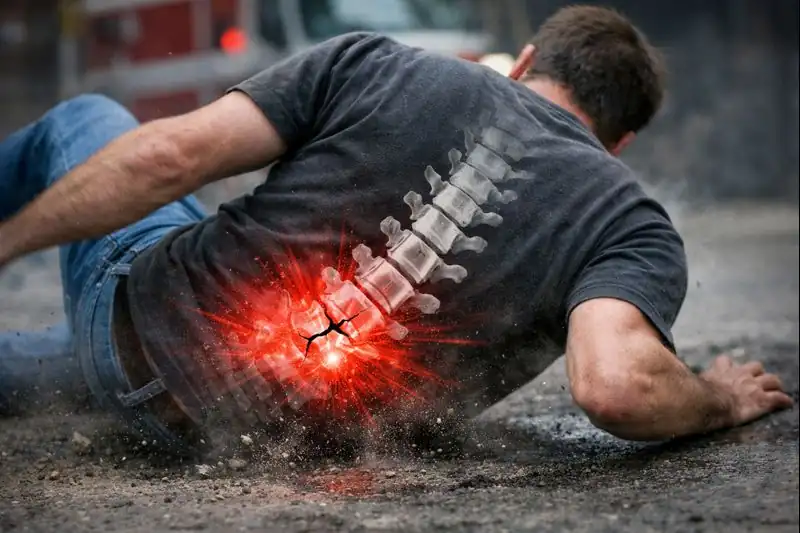
Falls, car accidents, or sports injuries can cause immediate and severe back pain. These traumatic events may result in fractures, severe sprains, or disc damage requiring prompt medical attention.
How to Fix It: Seek immediate medical evaluation for any severe injury, especially if accompanied by numbness, weakness, or bowel/bladder changes. Treatment may include rest, physical therapy, pain management, or in severe cases, surgical intervention. Gradual return to activity under professional guidance is crucial.
Conclusion
Lower back pain doesn’t have to control your life. By understanding these ten common causes and implementing the recommended solutions, you can take proactive steps toward relief and prevention. Whether through targeted exercises, lifestyle modifications, or professional treatment, most people find significant improvement in their symptoms.
If you’re struggling with persistent lower back pain in Chicago, consider consulting a back specialist doctor who can provide expert evaluation and treatment. Searching for back pain treatment near me can connect you with local professionals who offer the best treatment for back pain tailored to your specific needs. For residents experiencing low back pain Chicago, qualified specialists are available to help you reclaim your mobility and quality of life.
Remember, movement is medicine for your back. Stay active, strengthen your core, maintain proper posture, and don’t hesitate to seek professional guidance when needed. Your spine supports you every day—give it the care and attention it deserves.