What Really Causes Knee Pain?
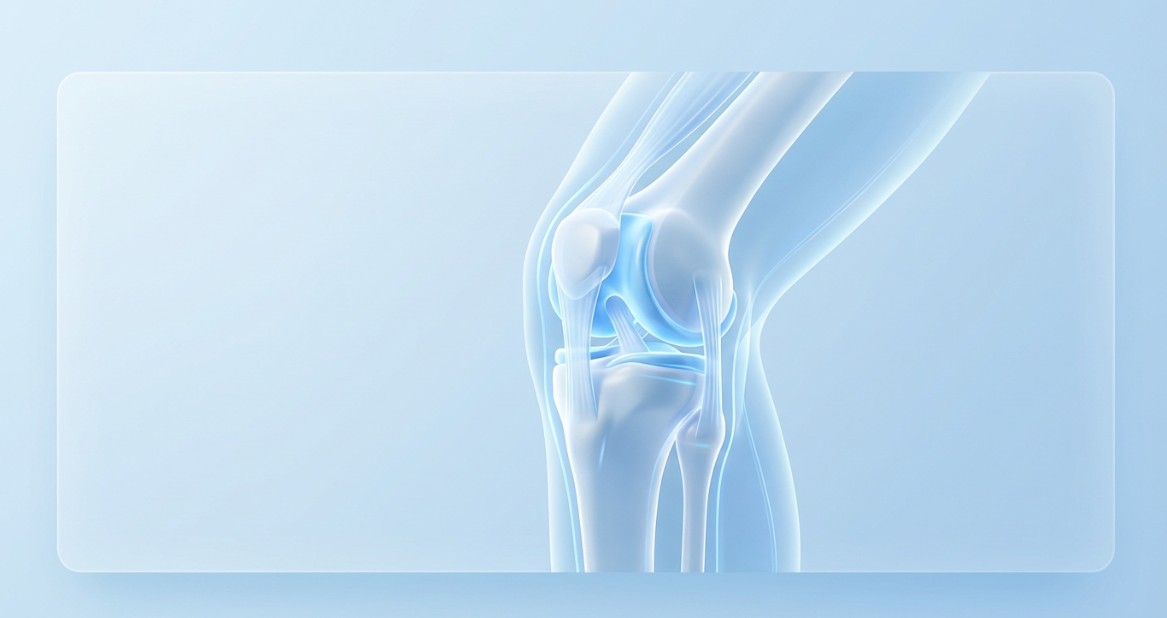
Your knee is the largest and most complex joint in your body, bearing the weight of nearly everything you do. Understanding its anatomy helps explain why knee pain develops. The knee joint consists of bones, cartilage, ligaments, tendons, and synovial fluid that work together to provide stability and movement. When any component becomes damaged or stressed, pain results.
The most common culprits behind knee discomfort include osteoarthritis, which develops when cartilage wears down over time, causing bones to rub together. Injuries like torn meniscus, ligament damage (especially ACL tears), and tendinitis from repetitive strain also rank high among causes. Additionally, overuse from activities like running or jumping, excess body weight placing mechanical stress on joints, and inflammatory conditions such as bursitis contribute significantly to knee problems.
How Chicago’s Weather Wreaks Havoc on Your Knees
Living in the Windy City means experiencing dramatic weather shifts—and your knees definitely notice. Research confirms what many Chicagoans already suspect: cold temperatures and barometric pressure changes genuinely worsen joint pain.
When temperatures drop, several physiological changes occur. The synovial fluid in your joints—which normally acts like motor oil for smooth movement—becomes thicker and more viscous in cold weather, causing stiffness and discomfort. Cold also causes muscles, tendons, and ligaments to tighten, reducing flexibility and increasing injury risk. Perhaps most significantly, falling barometric pressure before weather fronts causes tissues around joints to expand, creating additional pressure and pain.
Chicago’s fall and winter climate, with its cold temperatures and frequent barometric fluctuations, can trigger osteoarthritis flare-ups and intensify existing knee conditions. This explains why many people visiting a knee care clinic in Chicago report worsening symptoms during seasonal transitions.
Acute vs. Chronic Knee Pain: Knowing the Difference
Not all knee pain is created equal. Understanding whether you’re dealing with acute or chronic pain helps determine the appropriate treatment approach.
Acute knee pain emerges suddenly, often following a specific injury or trauma. It’s characterized by sharp, stabbing sensations, significant swelling and redness, warmth around the affected area, and tenderness to touch. This type typically results from falls, sports injuries, or sudden awkward movements. While intense, acute pain usually improves within days to weeks with proper rest and care.
Chronic knee pain, conversely, develops gradually and persists for three months or longer. It presents as a dull, persistent ache that may worsen with activity, morning stiffness that gradually improves, intermittent flare-ups that come and go, and progressive loss of range of motion. Conditions like osteoarthritis, long-standing tendinitis, and previous injuries that never fully healed commonly cause chronic discomfort.
The key distinction? Acute pain signals immediate tissue damage requiring protective rest, while chronic pain often benefits from targeted movement and strengthening. Many Chicago residents seeking Knee Pain Relief Solutions in Chicago discover that chronic conditions require ongoing management rather than quick fixes.
Red Flags: When Knee Pain Demands Immediate Attention
While most knee discomfort responds well to conservative treatment, certain symptoms indicate a medical emergency requiring immediate professional evaluation. Head to the emergency room or contact your healthcare provider immediately if you experience an obvious deformity where your knee appears bent or misshapen, inability to bear weight or walk normally, an audible “pop” at the time of injury followed by immediate severe pain, extreme swelling that develops within minutes to hours, or fever combined with redness and warmth, which may signal infection.
Additionally, seek prompt medical attention if your knee locks or won’t fully straighten, if you notice instability or the sensation your knee might “give out,” or if severe pain doesn’t improve after several days of home care. These symptoms could indicate serious conditions like fractures, complete ligament tears, or septic arthritis that require urgent intervention to prevent permanent damage.
How Your Daily Choices Impact Knee Health
Your lifestyle choices play a surprisingly powerful role in knee health—for better or worse. Several modifiable factors significantly influence your risk of developing knee pain.
Body weight tops the list. For every pound of excess weight, your knees absorb approximately four additional pounds of pressure during walking. Research shows obesity increases knee osteoarthritis risk by approximately three-fold. Even modest weight loss—just 10 to 15 pounds—can dramatically reduce knee stress and pain levels.
Physical activity patterns also matter tremendously. Both extremes prove problematic: complete inactivity allows muscles supporting your knees to weaken, while excessive high-impact exercise without adequate recovery causes overuse injuries. The sweet spot involves regular moderate exercise that strengthens muscles, maintains flexibility, and supports joint health without excessive stress.
Posture and body mechanics affect knee alignment throughout daily activities. Poor posture shifts your body’s natural alignment, creating abnormal stress patterns on knee joints. Similarly, improper form during exercise or repetitive work movements gradually damages cartilage and soft tissues.
Footwear choices matter more than many realize. Shoes lacking adequate support alter your gait and increase knee strain. High heels, completely flat shoes without arch support, and worn-out athletic shoes all contribute to knee problems over time.
If you’re struggling with knee discomfort related to lifestyle factors, therapy for knee pain can help address movement patterns and strengthen supporting muscles.
Debunking Common Knee Pain Myths
Misconceptions about knee pain abound. Let’s separate fact from fiction so you can make informed decisions about your joint health.
Myth: Knee pain is simply a normal part of aging. While knee issues become more common with age, pain isn’t inevitable. Many seniors maintain healthy, pain-free knees through proper exercise, weight management, and preventive care. Age increases risk factors, but it doesn’t guarantee knee problems.
Myth: Rest is always the best medicine. Though rest helps acute injuries heal, prolonged inactivity actually worsens chronic knee pain. Modern research consistently shows that appropriate exercise and movement—not complete rest—provides the most effective relief for conditions like osteoarthritis. Movement lubricates joints, strengthens supporting muscles, and improves function.
Myth: Running causes arthritis. Contrary to popular belief, recreational running doesn’t increase arthritis risk in healthy knees. Studies show that runners actually have lower rates of knee arthritis than sedentary individuals. However, running on pre-existing injuries without proper rehabilitation can accelerate damage.
Myth: If the pain isn’t in your knee, your knee isn’t the problem. The reverse is also true—not all knee pain originates in the knee. Hip problems, lower back issues, and ankle dysfunction frequently refer pain to the knee. Comprehensive evaluation at a Knee Joint Pain Relief Clinic helps identify the true source of discomfort.
Myth: Cracking or popping sounds mean something is wrong. Occasional knee clicking or popping without pain typically indicates normal joint mechanics—gas bubbles releasing from synovial fluid or tendons moving over bone. Only when accompanied by pain, swelling, or locking does it warrant concern.
Get Expert Help for Your Knee Pain Today
Don’t let knee pain keep you from enjoying everything Chicago has to offer. Whether you’re dealing with weather-related stiffness, activity-related discomfort, or chronic conditions affecting your quality of life, expert evaluation and personalized treatment can help you get back to the activities you love.
The specialists at Chicago Sports & Spine understand the unique challenges Chicago residents face with knee health. From comprehensive diagnostic evaluation to cutting-edge treatment options, their team provides the expert care you need to overcome knee pain and regain your active lifestyle.
Take the first step toward pain-free movement. Visit Chicago Sports & Spine today to schedule your consultation and discover personalized solutions for your knee pain.